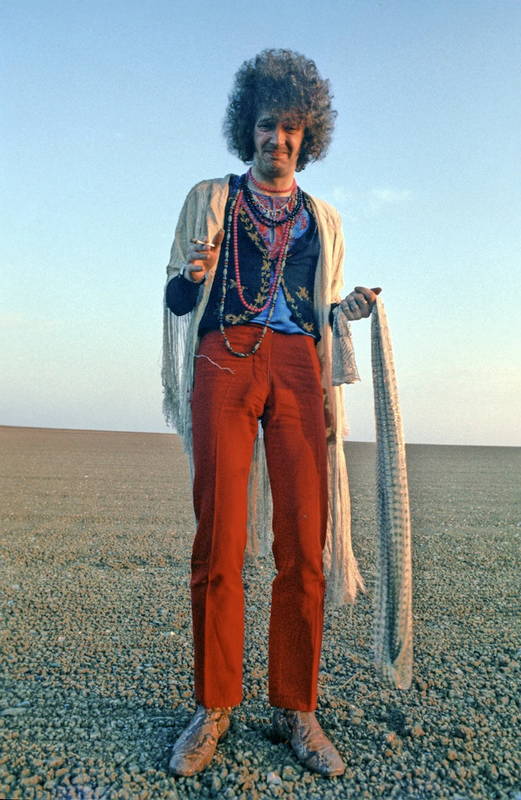
Scotland, Martin Sharp and the making of Disraeli Gears, 1967
In 1967, photographer Robert Whitaker found himself at the centre of London’s emerging psychedelic art scene. His friendship and creative partnership with Australian artist Martin Sharp would lead to one of the most celebrated collaborations between photography and graphic design of the decade: the artwork associated with Cream’s landmark album Disraeli Gears.
Cream, formed in London in 1966, brought together three exceptional musicians: Eric Clapton (guitar and vocals), Jack Bruce (bass and vocals) and Ginger Baker (drums). Often described as one of Britain’s first supergroups, Cream combined blues, rock and jazz influences to create a distinctive sound. Their best-known recordings include I Feel Free, Sunshine of Your Love, Strange Brew, White Room, Crossroads and Badge.
The Pheasantry, Chelsea
By 1967, Robert was living and working at The Pheasantry on King’s Road, Chelsea, in London. Originally an artists’ community, The Pheasantry had become a meeting place for an extraordinary collection of creative personalities during the 1960s.
Robert shared the building with his good friend Martin Sharp, whom he had known from Australia. The two had already established a creative relationship and would go on to work together on London’s underground publication Oz, alongside editor Richard Neville and other contributors.
Their friendship brought together two different but complementary approaches to image-making. Robert was an accomplished photographer with an interest in experimentation, photomontage and unconventional photographic techniques. Martin was developing a distinctive visual language through illustration, collage and increasingly adventurous colour processes.
A journey through Scotland with Cream
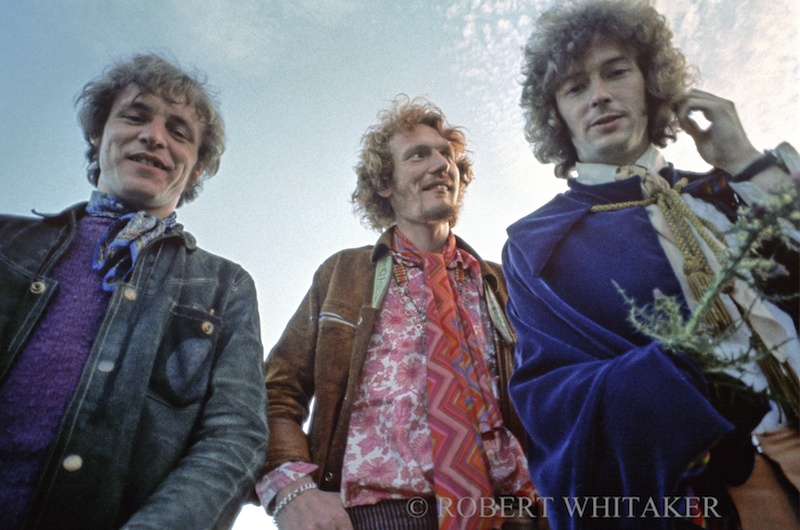
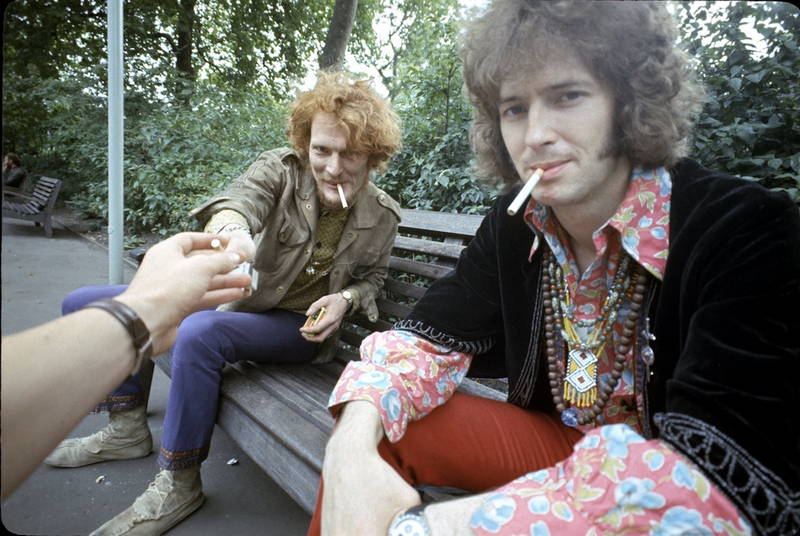
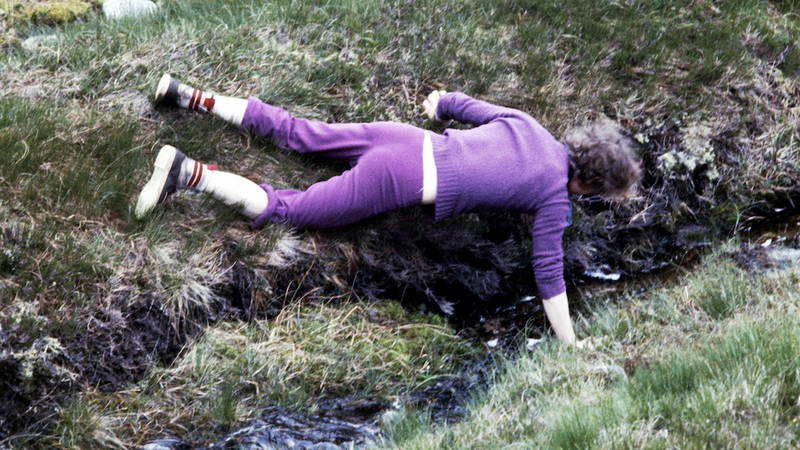
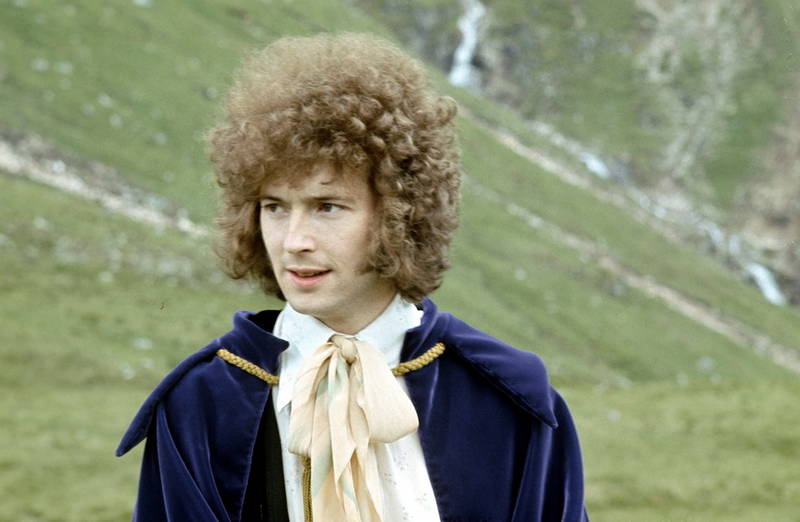
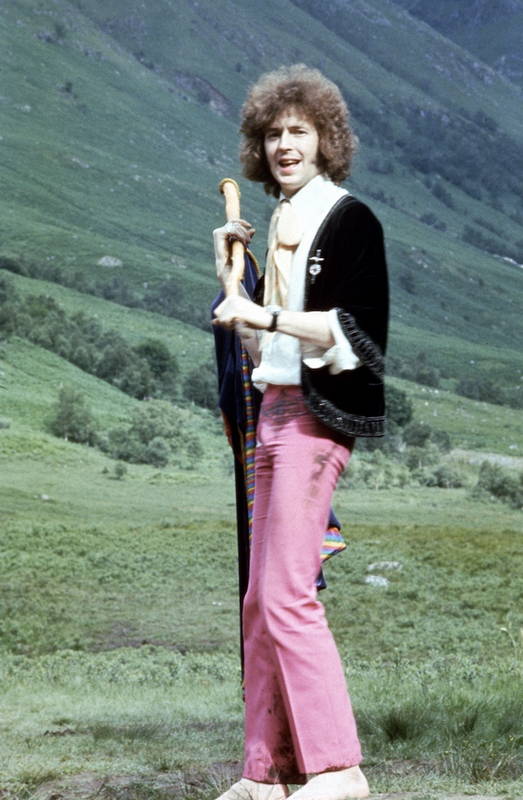
In July 1967, Robert travelled with Cream during a tour of the north of England and Scotland. The journey provided an opportunity to photograph the band away from the familiar surroundings of recording studios and staged publicity sessions.
Martin Sharp had asked Robert to accompany the group and produce photographs that could be used for publicity and potentially for the band’s forthcoming album.
Robert later recalled the experience:
“Cream were going to do a tour of the north of England and Scotland. I just jumped in a car. Various things presented themselves to us on our journey around Scotland, none of which I could have recreated in a studio.”
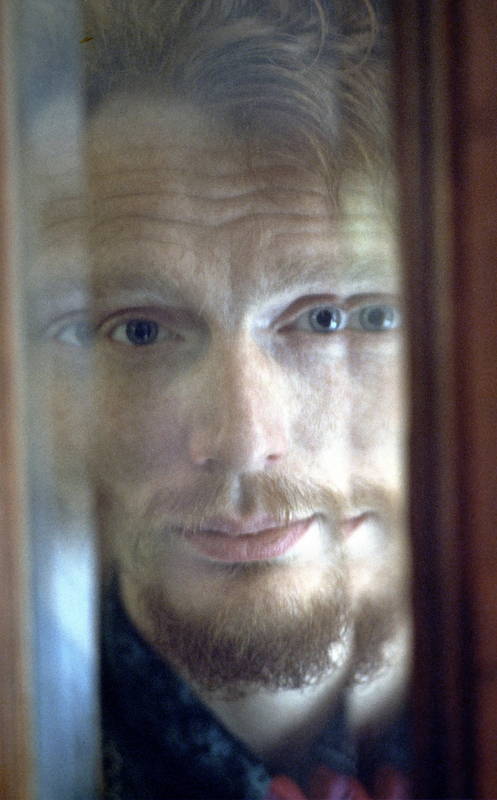
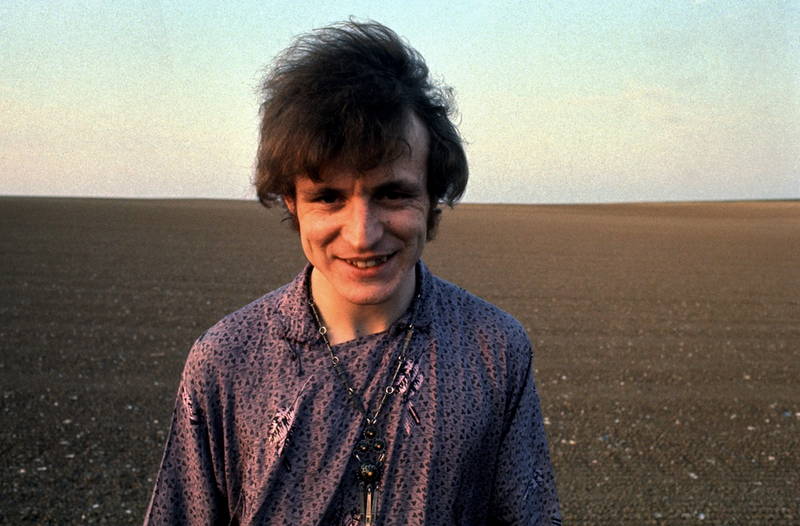
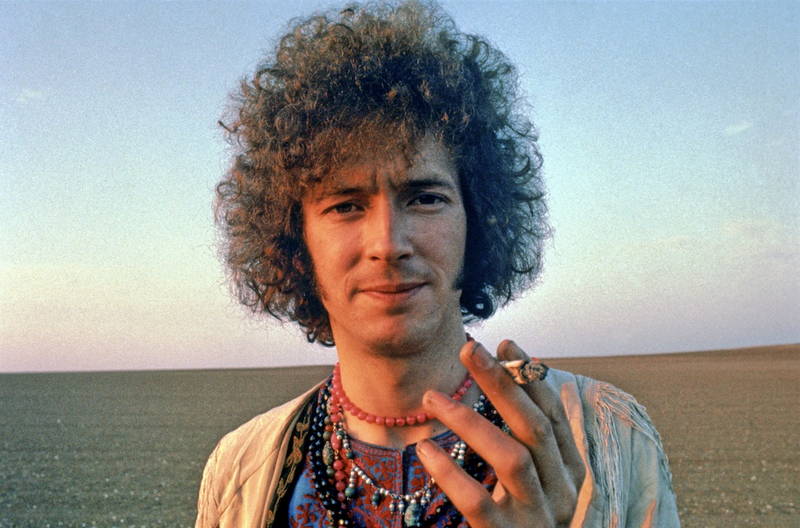
The photographs captured moments and settings that could not easily have been manufactured. Rather than relying on a conventional studio session, Robert worked with the opportunities that presented themselves along the journey.
On returning to London, he produced a series of colour prints. What happened next was a typical example of the creative relationship between the two friends.
Robert remembered:
“I was very lucky that Martin had discovered day-glo paint. I had all the pictures, which I knew were for some form of publicity. I made a whole series of colour prints and Martin just started cutting them up – much to my annoyance, because they weren’t cheap to do.”
Martin began experimenting with Robert’s photographs, cutting and rearranging the prints into a square composition. He then developed the artwork further with drawing, fluorescent inks and day-glo paint.
Robert continued:
“He then laid them out on a 12-inch square as a piece of finished artwork and then painted all over it.”
It was an unconventional collaboration, combining Robert’s photographic eye with Martin’s increasingly experimental approach to graphic art.
Cream – Disraeli Gears
Released in November 1967, Disraeli Gears became one of Cream’s defining albums and an important recording of the psychedelic era.
The album’s famous sleeve, designed by Martin Sharp, is an explosion of colour, typography, illustration and photographic imagery. Its swirling floral patterns, fantastical figures and vivid fluorescent colours captured the atmosphere of London’s underground culture.
Robert’s contribution to the project is an important part of its history. Although the original intention had been to use photographs from the Scottish tour in the artwork, Martin Sharp later explained that these photographs were ultimately used on the reverse of the album sleeve.
For the front cover, Martin instead used a publicity photograph of the band, cutting it up and incorporating it into a larger collage alongside images taken from books. He then added his distinctive drawing and fluorescent colours.
Martin also described how the inspiration for the cover came partly from sculptures he had encountered while travelling through Cambodia. Their multiple faces and the trees growing above them suggested an image that he felt reflected the three members of Cream and the music emerging from them.
The finished sleeve became an enduring example of the visual experimentation of the 1960s.
The importance of the collaboration has since been recognised internationally. The Museum of Modern Art (MoMA) in New York includes the 1967 Disraeli Gears album cover in its collection, crediting both Martin Sharp and Robert Whitaker.
A meeting of photography and psychedelic art
The relationship between Robert Whitaker and Martin Sharp extended well beyond a single album cover. Their work together at The Pheasantry and through Oz reflected a period when traditional boundaries between photography, graphic design, publishing and fine art were becoming increasingly blurred.
Robert’s photographs provided the starting point for experimentation, while Martin brought them into a new visual context through collage, drawing and colour.
Their collaboration on Disraeli Gears remains a particularly significant example of this creative partnership. It also illustrates Robert’s willingness to work beyond conventional photography, embracing new ideas and allowing his images to become part of something larger.
For Robert, the journey with Cream through Scotland was more than a photographic assignment. It became part of a creative exchange with a close friend, resulting in work that would become associated with one of the defining albums of the psychedelic generation.
Robert Whitaker’s photographs and his collaboration with Martin Sharp remain an important part of the visual history of Cream and the cultural landscape of 1960s London.